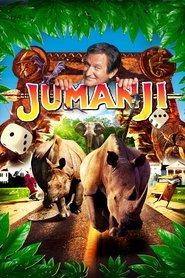
Jumanji ★ 7.2
Release date : 1995
Genre : Adventure, Fantasy, Family
Director : Joe Johnston
Cast : Robin Williams, Kirsten Dunst, Bradley Pierce

172 family films from 1964 to 2025, each with its release year, genre, director and a Watch now button.
Release date : 1995
Genre : Adventure, Fantasy, Family
Director : Joe Johnston
Cast : Robin Williams, Kirsten Dunst, Bradley Pierce
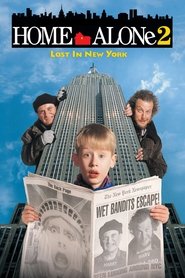
Release date : 1992
Genre : Comedy, Family, Adventure
Director : Chris Columbus
Cast : Macaulay Culkin, Joe Pesci, Daniel Stern
Release date : 2016
Genre : Adventure, Family, Fantasy
Director : Jon Favreau
Cast : Neel Sethi, Bill Murray, Ben Kingsley
Release date : 2017
Genre : Family, Drama
Director : Stephen Chbosky
Cast : Jacob Tremblay, Julia Roberts, Owen Wilson
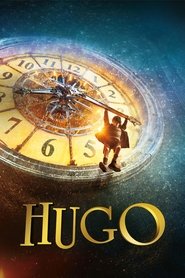
Release date : 2011
Genre : Adventure, Drama, Family
Director : Martin Scorsese
Cast : Asa Butterfield, Ben Kingsley, Chloë Grace Moretz
Release date : 2015
Genre : Romance, Fantasy, Family
Director : Kenneth Branagh
Cast : Lily James, Cate Blanchett, Richard Madden
Release date : 2009
Genre : Drama, Family
Director : Lasse Hallström
Cast : Richard Gere, Joan Allen, Sarah Roemer
Release date : 2014
Genre : Adventure, Comedy, Fantasy
Director : Shawn Levy
Cast : Ben Stiller, Robin Williams, Owen Wilson
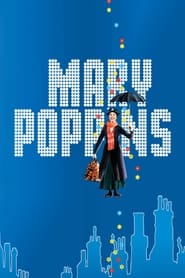
Release date : 1964
Genre : Comedy, Family, Fantasy
Director : Robert Stevenson
Cast : Julie Andrews, Dick Van Dyke, David Tomlinson
Release date : 2008
Genre : Comedy, Family
Director : David Frankel
Cast : Owen Wilson, Jennifer Aniston, Eric Dane
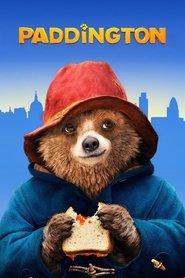
Release date : 2014
Genre : Comedy, Adventure, Family
Director : Paul King
Cast : Ben Whishaw, Hugh Bonneville, Sally Hawkins
Release date : 2017
Genre : Adventure, Fantasy, Family
Director : Lasse Hallström
Cast : Josh Gad, KJ Apa, Britt Robertson
Release date : 2018
Genre : Adventure, Comedy, Family
Director : Marc Forster
Cast : Ewan McGregor, Hayley Atwell, Bronte Carmichael
Release date : 2010
Genre : Adventure, Family, Fantasy
Director : Michael Apted
Cast : Georgie Henley, Skandar Keynes, Ben Barnes
Release date : 2019
Genre : Family, Fantasy, Adventure
Director : Tim Burton
Cast : Colin Farrell, Michael Keaton, Danny DeVito
Release date : 2020
Genre : Family, Comedy, Fantasy
Director : Stephen Gaghan
Cast : Robert Downey Jr., Harry Collett, Michael Sheen
Release date : 2004
Genre : Comedy, Drama, Family
Director : Garry Marshall
Cast : Anne Hathaway, Julie Andrews, Héctor Elizondo
Release date : 1998
Genre : Comedy, Family, Fantasy
Director : Betty Thomas
Cast : Eddie Murphy, Ossie Davis, Oliver Platt
Release date : 2003
Genre : Comedy, Family, Fantasy
Director : Jon Favreau
Cast : Will Ferrell, James Caan, Bob Newhart
Release date : 1996
Genre : Family, Adventure, Comedy
Director : Brian Levant
Cast : Arnold Schwarzenegger, Sinbad, Phil Hartman
Release date : 2018
Genre : Comedy, Adventure, Family
Director : Clay Kaytis
Cast : Darby Camp, Judah Lewis, Kurt Russell
Release date : 2018
Genre : Family, Fantasy, Adventure
Director : Lasse Hallström, Joe Johnston
Cast : Mackenzie Foy, Jayden Fowora-Knight, Tom Sweet
Release date : 2002
Genre : Fantasy, Comedy, Family
Director : Michael Lembeck
Cast : Tim Allen, Judge Reinhold, Wendy Crewson
Choosing a film for a whole household is a small feat of diplomacy. The youngest must be able to follow it, the oldest must stay awake, and everyone in between has opinions. FlickPeek was made for that moment. It is a plain directory of 172 family films, made between 1964 and 2025 by 142 directors and running to 287 hours, set out so that a parent can take a quick look and decide. Every film has an entry with its release year, its genre, its director, its leading cast and its rating, and a page with a short summary and a button that leads to the official services where it can be watched.
The directory is sorted into channels, listed down the side of the home page with a count beside each. Comedy is the largest, with 124 films. Adventure and fantasy have fifty-nine each, and drama forty-eight. Fifty-five films began as books, fifty-two give a leading part to an animal, thirty-one are set around a school, twenty-five turn on a sport, twenty-four are carried by music, twenty-one belong to Christmas and fifteen were first made for television. Nine date from before 1990, thirty-four from the 1990s, fifty-one from the 2000s, fifty-four from the 2010s and twenty-four from the 2020s. Thirty-four hold an audience rating of seven or higher.
The Watch now button opens JustWatch for the country you choose and shows the subscription, rental, purchase and free services that carry the film there. FlickPeek itself is a guide: it lists, describes and points the way. The how to watch page explains the steps in a few lines.
The phrase is used loosely, so it is worth saying what it means here. A family film on FlickPeek is one that an adult can watch beside a child with both of them enjoying it for their own reasons. The best work on two levels at once. A six-year-old watching Paddington sees a bear flooding a bathroom; the parent beside her notices a story about welcoming a stranger. A boy watching Home Alone 2: Lost in New York sees traps and pratfalls; his father sees a child who misses his family more than he will admit.
These films also share a set of manners. They may be exciting, and a few are sad, since childhood includes both, and they keep their frights brief and their endings kind. Villains are foiled, lost pets come home, and the lesson, when there is one, is delivered lightly. That reliability is their great virtue. On a Friday evening with tired children, a parent wants to know what kind of ninety minutes lies ahead, and a family film is a promise about that.
The directory keeps the promise visible. Each entry gives the facts a chooser needs at a glance, and the channels group films by the things children actually ask for: something funny, something with a dog, something Christmassy. The choosing by age page offers a rough guide for parents, and the finding titles page lists every route into the catalogue.
Most family films are comedies, and the channel holds 124 of them. The classic situation is a household turned upside down. In Home Alone 2: Lost in New York, a boy boards the wrong plane and spends Christmas in a grand hotel on his father's credit card. In Cheaper by the Dozen and Cheaper by the Dozen 2, twelve children outnumber two parents six to one. MouseHunt pits two brothers against a single mouse in the mansion they hope to sell, and loses them the mansion. Beethoven and Beethoven's 2nd introduce a very large dog to a very tidy father.
Fathers out of their depth are a dependable source of laughter. Daddy Day Care and Daddy Day Camp put Eddie Murphy and then Cuba Gooding Jr. in charge of other people's children. The Game Plan delivers a small daughter to the door of a football star. Jingle All the Way sends Arnold Schwarzenegger across a city on Christmas Eve for the last toy in the shops, Are We Done Yet? hands Ice Cube a house that needs everything, and RV shuts Robin Williams in a motor home with his family.
Some comedies are simply, gloriously daft. Bean and Mr. Bean's Holiday barely need words. Good Burger is set in a fast-food restaurant staffed by the cheerfully clueless. Pee-wee's Big Adventure is a quest for a stolen bicycle told like a dream. The Flintstones and The Beverly Hillbillies bring old television favourites to life, and The Cannonball Run is a cross-country car race with a cast of famous faces enjoying themselves.
The gentlest comedies are often the most loved. Paddington and Paddington in Peru are polite, inventive and warm. Elf sends a human raised at the North Pole to find his father in New York, and has become a December ritual. The Muppets and The Muppet Movie share a sweet-natured silliness across thirty-two years, and Diary of a Wimpy Kid and its three sequels know exactly how it feels to be eleven. The comedy page picks a dozen to start with.
Fifty-nine films send their heroes on a journey. Jumanji is the most watched film in the whole directory: a brother and sister roll the dice of an old board game and release a jungle into their house, along with a man who has been trapped inside the game since he was a boy. The stampede through the library, the monsoon in the living room and the hunter with his elephant gun have thrilled children since 1995, and Robin Williams gives the film its heart.
The jungle is a favourite destination. The Jungle Book of 2016 follows Mowgli from the wolf pack to the man village with a panther for a guardian and a bear for a friend. Dora and the Lost City of Gold turns a pre-school explorer into a resourceful teenager, and Finding ʻOhana sends two siblings from Brooklyn into the caves of Hawaii after a pirate's treasure. Journey to the Center of the Earth goes straight down, Return to Nim's Island defends a private paradise, and Paddington in Peru takes the Brown family up the Amazon.
Many family adventures are about getting home. In Homeward Bound: The Incredible Journey, two dogs and a cat cross a mountain range to find their owners, talking all the way. Its sequel loses them in San Francisco. A Dog's Way Home covers four hundred miles on four legs, The Wizard crosses America to a video-game championship, and Night at the Museum: Secret of the Tomb carries its living exhibits to London to save the magic that wakes them.
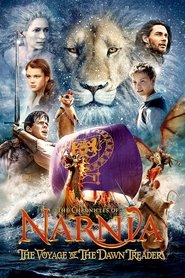
The quests of fantasy belong here as well. The Chronicles of Narnia: The Voyage of the Dawn Treader sails to the end of the world. Inkheart chases a villain who was read out of a book, and A Wrinkle in Time crosses the universe to find a missing father. Hunt for the Wilderpeople, the most original adventure in the directory, sends a city boy and his reluctant uncle into the New Zealand bush with half the country on their trail. The adventure page arranges the channel by kind.
Fifty-nine films bend the rules of the world. The oldest in the directory is the best known. Mary Poppins arrived in 1964 with a carpet bag, a talking umbrella and a firm way with medicine, and the children of the Banks household were soon jumping into pavement pictures and laughing their way up to the ceiling. Four years later Chitty Chitty Bang Bang gave an inventor's family a car that could float and fly. Both are sung from start to finish and both still hold a room of children.
Magic usually comes to stay in an ordinary home. The Borrowers live beneath the floorboards and furnish their rooms with postage stamps and cotton reels. Stuart Little 2 is about a mouse who happens to be the younger son. Flubber bounces out of a professor's basement laboratory. Honey, I Blew Up the Kid and Honey, We Shrunk Ourselves turn one family's ray gun on a toddler and then on the parents, and Zapped gives a schoolgirl a telephone app that controls boys.
Other fantasies open a door to somewhere else. Return to Oz finds the yellow brick road broken and the Emerald City turned to stone. Alice in Wonderland follows a white rabbit, Slumberland crosses the dreams of strangers, and The Nutcracker and the Four Realms steps through a Christmas party into a kingdom of sweets and snow. Time Bandits is the wildest: a boy's wardrobe opens onto all of history.
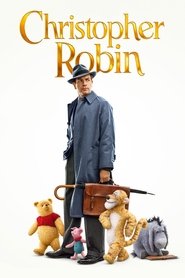
The gentlest fantasies are about friends that only children can see or keep. IF is about imaginary companions waiting to be remembered. Pete's Dragon hides a great furry dragon in the woods. Christopher Robin brings a bear of very little brain to grey post-war London to rescue the man who used to play with him, Harold and the Purple Crayon lets a drawing step off the page, and The Legend of Ochi and Chupa each give a lonely child a creature to protect. The fantasy page sorts them by world.
Ask a child what kind of film to watch and the answer is often an animal. Fifty-two films oblige. Dogs lead the channel. Beethoven is a St Bernard with a talent for chaos. Marley & Me is a Labrador who fails obedience school and wins a family's heart. Air Bud can shoot a basketball, Marmaduke is a Great Dane with opinions, and Snow Dogs hands a team of huskies to a dentist from Miami. Hachi: A Dog's Tale and A Dog's Purpose are for an evening when the family is ready for a few tears.
The farmyard has Charlotte's Web, in which a spider saves a pig with a few well-chosen words, and Racing Stripes, about a zebra raised among racehorses. Horses have The Black Stallion, Black Beauty and Dreamer: Inspired By a True Story. The sea has Flipper and the two Dolphin Tale films, based on a real dolphin who learned to swim with an artificial tail. Cats are represented by Garfield: A Tail of Two Kitties, and mice by Stuart and by the unbeatable rodent of MouseHunt.
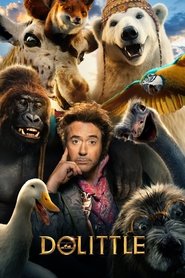
Some of the animals talk. Doctor Dolittle, Dolittle and Dr. Dolittle 3 are built on the idea, and so is The One and Only Ivan, whose gorilla narrator paints pictures in a shopping-mall circus. Others sing, as the crocodile does in Lyle, Lyle, Crocodile. Mr. Popper's Penguins fills a New York flat with snow, We Bought a Zoo moves a family in with lions, and Rescued by Ruby is the true story of a shelter dog who became a police searcher. The animal stories page groups the channel by species.
Twenty-one films belong to December, and for many households they are the reason the directory gets opened at all. Elf heads the list. Home Alone 2: Lost in New York is watched as faithfully. Miracle on 34th Street, in the version of 1994, asks a court to decide whether a department-store Santa is the real one, and Jingle All the Way is the comedy of every parent who left the shopping too late.
Santa himself has several films. Tim Allen puts on the suit in The Santa Clause 2 and The Santa Clause 3: The Escape Clause. Kurt Russell plays him as a charmer with a fast sleigh in The Christmas Chronicles and The Christmas Chronicles: Part Two. Noelle gives him a daughter who must fill in for her brother, and A Boy Called Christmas tells how a woodcutter's son found the elves in the first place.
Storybook Christmases include Jingle Jangle: A Christmas Journey, a musical about a toymaker and his inventive granddaughter, and The Nutcracker and the Four Realms. Family comedies of the season include Christmas with the Kranks, Deck the Halls, Love the Coopers, 8-Bit Christmas, Candy Cane Lane, Home Sweet Home Alone and I'll Be Home for Christmas. Falling for Christmas and A Christmas Prince: The Royal Baby supply the romance. The Christmas page puts all twenty-one in order.
Twenty-four films sing or dance. The two great musicals of the 1960s, Mary Poppins and Chitty Chitty Bang Bang, share a star in Dick Van Dyke and a pair of songwriters in the Sherman brothers. The Muppet Movie gave a frog a banjo in 1979. Mary Poppins Returns and Jingle Jangle: A Christmas Journey carry the tradition of the original film musical into the present.
A generation learned its musicals from the Disney Channel. High School Musical and its two sequels follow a basketball captain and a science student from audition to graduation. Camp Rock is set at a summer music camp. The three The Cheetah Girls films travel from Manhattan to Barcelona and India, Teen Beach Movie and Teen Beach 2 drop two surfers into a beach musical of the 1960s, and Sharpay's Fabulous Adventure sends a determined performer and her dog to Broadway. August Rush is a musical fairy tale of a different kind, about a boy who hears music everywhere. The music page suggests where to begin.
Thirty-one films are set around a school. The younger years have the four Diary of a Wimpy Kid films, Ramona and Beezus, Middle School: The Worst Years of My Life and Sleepover. Wonder stands above them all: a boy with a facial difference starts fifth grade, and the film follows his year from several points of view with humour and great tenderness. It is one of the highest-rated films in the directory and a fine one to watch with a child who is about to change schools.
For slightly older viewers the channel offers modern fairy tales. A Cinderella Story replaces the glass slipper with a mobile phone, and three further films, Another Cinderella Story, A Cinderella Story: Once Upon a Song and A Cinderella Story: If the Shoe Fits, find new versions of the ball. The Lizzie McGuire Movie takes a school trip to Rome, What a Girl Wants sends an American teenager to meet her English father, The Princess Diaries 2: Royal Engagement returns to the kingdom of Genovia, and Stargirl celebrates a girl who refuses to blend in. The school days page lists the channel.
Twenty-five films turn on a game. Baseball has the best of them. The Sandlot spends the summer of 1962 on a dusty field with nine boys, one treasured ball and an enormous dog on the other side of the fence, and it has become a rite of passage for young viewers. Rookie of the Year gives a twelve-year-old a freak fastball and a place with the Chicago Cubs.
The team of misfits is the favourite plot. D3: The Mighty Ducks sends a junior hockey side to a smart prep school. Little Giants forms a football team from the children who were left out, and Kicking & Screaming puts an over-eager father in charge of a boys' soccer side. Heavyweights hands a summer camp back to its campers. Like Mike gives an orphan a pair of magical basketball shoes, and Goal! follows a young player from Los Angeles to Newcastle.
True stories add weight. McFarland, USA is about a cross-country team from a farming town in California. American Underdog follows a supermarket shelf-stacker to the Super Bowl, and Home Team a professional coach to his son's sixth-grade side. Ice Princess and Full Out are for young skaters and gymnasts. The sport page sets them out by game.
Fifty-five films began on the page, and they make the directory a reading list as well. The nursery classics are here: P. L. Travers's Mary Poppins, Frances Hodgson Burnett's The Secret Garden, Mary Norton's The Borrowers, E. B. White's Charlotte's Web, Anna Sewell's Black Beauty and Lewis Carroll's Alice in Wonderland. Roald Dahl wrote The BFG, and Michael Bond the bear in the blue coat.
Picture books have grown into features: Jumanji from thirty-two pages by Chris Van Allsburg, Harold and the Purple Crayon, and Lyle, Lyle, Crocodile. Longer modern novels lie behind Wonder, Hugo, Inkheart, Tuck Everlasting, Stargirl, A Wrinkle in Time and The One and Only Ivan. A good habit is to read the book first and watch the film as a reward, or to let a favourite film lead a reluctant reader to its source. The from books page groups them by kind.
Forty-eight films are dramas, for evenings when the family wants a proper story. Wonder and Hugo lead the channel. The Secret Garden lets three lonely children bring a walled garden and one another back to life. Secondhand Lions leaves a shy boy for the summer with two great-uncles who may once have been adventurers. Little Man Tate is about a gifted seven-year-old and the mother determined to give him a childhood, and My Girl 2 sends a thirteen-year-old to Los Angeles to learn about the mother she lost.
Goodbye Christopher Robin and Miss Potter look at the people behind two of the best-loved shelves in any nursery, Winnie-the-Pooh and Peter Rabbit. The Odd Life of Timothy Green is a fable about a boy who grows in a garden. Tuck Everlasting asks whether living for ever would be a gift, in terms a ten-year-old can weigh. We Bought a Zoo and Dolphin Tale are true stories of families who took on more than they expected and were glad of it.
These are the films that children remember as adults. They take young feelings seriously, grief and loneliness included, and they trust their audience to cope. A parent may want to watch alongside the first time, which is in any case the best way to see them.
Age ratings differ from country to country, and children differ more, so the suggestions here are rough. For the under-sevens, look for gentle pacing and friendly faces: Paddington, Christopher Robin, Stuart Little 2, Charlotte's Web, Lyle, Lyle, Crocodile, Harold and the Purple Crayon and the songs of Mary Poppins and Chitty Chitty Bang Bang. Animal films with happy endings, Racing Stripes or Air Bud, are safe choices.
From seven to ten, children enjoy a little peril and a great deal of slapstick. Jumanji, Home Alone 2: Lost in New York, Flubber, MouseHunt, The Sandlot, Night at the Museum: Secret of the Tomb, Dora and the Lost City of Gold and the Dolittle films all suit this stage. The Christmas channel is at its best for this age too.
From eleven upwards, the school channel comes into its own, along with Wonder, Hugo, Hunt for the Wilderpeople, Inkheart, Stargirl and the Disney Channel musicals. Films with a sad passage, Marley & Me, Hachi: A Dog's Tale and My Girl 2, are better kept for children old enough to talk about it afterwards. And some films suit every age at once: Elf, The Muppets, The Jungle Book and both Paddington films are the surest choices for a mixed sofa. The choosing by age page repeats the short version.
Fifteen films were first shown on television, most of them on the Disney Channel, and they have a fond following among viewers who were ten when they appeared. Beside the musicals already named there are comedies of the phone-and-friendship age: Zapped, Frenemies, How to Build a Better Boy, in which two clever friends accidentally order a robot soldier as a prom date, and Radio Rebel, about a shy pupil with a secret radio show.
Cloud 9 is set among competitive snowboarders, Rip Tide among surfers on the Australian coast, and Adventures in Babysitting crosses a city in one long night. They are short, bright and good-natured, and they make an easy choice for a sleepover. The made for television page lists the channel.
The directory can also be browsed by date. Nine films come from before 1990: Mary Poppins, Chitty Chitty Bang Bang, The Black Stallion, The Muppet Movie, Time Bandits, The Cannonball Run, Return to Oz, Pee-wee's Big Adventure and The Wizard. They are the grandparents of the catalogue, and several are as fresh as the day they opened.
The 1990s have thirty-four films and a strong claim to be the golden decade of the live-action family comedy: Jumanji, Home Alone 2: Lost in New York, Beethoven, The Sandlot, Flubber, MouseHunt, Homeward Bound: The Incredible Journey and Doctor Dolittle all date from it. The 2000s add fifty-one, from Elf and Cheaper by the Dozen to Charlotte's Web and High School Musical.
The 2010s are the largest group, with fifty-four: Paddington, Hugo, Wonder, The Jungle Book, Christopher Robin and Hunt for the Wilderpeople. The 2020s already hold twenty-four, including Paddington in Peru, IF, Slumberland, Lyle, Lyle, Crocodile and Freakier Friday. The era by era page picks four from each period.
One of the pleasures of a family directory is handing a film down. A parent who was eight in 1993 can now show The Sandlot or Homeward Bound: The Incredible Journey to an eight-year-old and watch it work again. Jumanji still makes children jump at the drums. Beethoven still gets its biggest laugh when the dog shakes himself dry in the bedroom. Flubber, The Borrowers and Air Bud have all found second audiences this way.
Going back further is just as rewarding. Grandparents remember Mary Poppins and Chitty Chitty Bang Bang from the cinema, and both films are long enough, at more than two hours, to make an occasion with an interval for tea. The Muppet Movie delights children who have only met Kermit on a lunchbox. Sequels and returns make the link explicit: Mary Poppins Returns, Christopher Robin, Freakier Friday and Home Sweet Home Alone all nod to the films that came before, and watching the old one first doubles the fun.
The famous titles are easy to find, so here are ten that families often overlook. The Secret Garden of 1993 is among the most beautiful children's films ever made, and patient children love it. The Black Stallion tells the first half of its story almost wordlessly, a boy and a horse alone on a beach. Return to Oz is stranger and braver than its famous predecessor, and best for children of nine and over. Time Bandits is history as a pantomime.
Little Man Tate is a thoughtful film about a gifted child. Secondhand Lions is a tall tale with two splendid old actors. Stargirl is a gentle story about the courage to be odd. Finding ʻOhana is a treasure hunt with a real feeling for family and place. Rescued by Ruby is a true story that will send children to the nearest animal shelter, and The Legend of Ochi is a creature adventure made with puppets and care. Each is a short search away.
Family films are, unsurprisingly, about families, and a good many are about the particular bond between children. The brother and sister of Jumanji have lost their parents and have only each other when the game begins. The brothers of MouseHunt must learn to work together or lose everything their father left them. The siblings of Finding ʻOhana bicker their way across an island and end as allies, and the sister in Wonder quietly carries more than anyone notices.
Friendship fills the gaps that family leaves. The nine boys of The Sandlot adopt a newcomer who has yet to catch a ball. The campers of Heavyweights look after one another when the adults fail them. Sleepover, Frenemies and the three The Cheetah Girls films are about girls who quarrel and make up, and Diary of a Wimpy Kid is, beneath its jokes, a study of how to keep a best friend.
Then there are the families that have to be built. Paddington finds one at a railway station. Hunt for the Wilderpeople makes one out of two people who begin as strangers. Stuart Little 2 takes it for granted that a mouse can be a brother. These stories matter to children whose own households come in many shapes, and they are a quiet strength of the directory.
A parent who has sat through a poor children's film knows the value of a good one. The best entries in the directory were made by people who remembered that adults are in the room. Paddington is packed with visual jokes that reward a second viewing. Elf is as funny for a forty-year-old as for a child of six, for different reasons. Hugo is a love letter to the first years of cinema that any film enthusiast will treasure.
Mary Poppins has a father's story hidden inside it: a man who learns, almost too late, that kites matter more than banks. Christopher Robin is aimed squarely at the tired parent on the sofa. Marley & Me is really about a marriage, We Bought a Zoo about a widower finding his feet, and Wonder gives its finest scenes to the mother and father. Even the broad comedies have something: any adult who has assembled a toy on Christmas Eve will feel for the hero of Jingle All the Way.
This double appeal is the test FlickPeek applied when choosing the catalogue. A film that only a child could enjoy was left out; so was a film that only pretended to be for children. What remains are 172 titles that a household can share with every telephone left face down.
Family films travel widely, and they are a painless geography lesson. London appears at its friendliest in both Paddington films and in Mary Poppins, with its rooftops, parks and cherry trees. Paris is the setting of Hugo, seen from behind the great clock of a railway station. Rome hosts The Lizzie McGuire Movie, and Mr. Bean's Holiday wanders through the French countryside to the sea at Cannes.
The jungles of India fill The Jungle Book, and those of South America Dora and the Lost City of Gold and Paddington in Peru. Hawaii is the playground of Finding ʻOhana, New Zealand of Hunt for the Wilderpeople, Australia of Rip Tide and Alaska of Snow Dogs. The Cheetah Girls 2 dances through Barcelona and The Cheetah Girls: One World through India.
America is shown from coast to coast: New York at Christmas in two of the best-loved films in the directory, the suburbs of the Midwest in Beethoven, the baseball diamonds of California in The Sandlot, the Florida coast in Dolphin Tale and Flipper, and the forests of the Pacific Northwest in Pete's Dragon. A map on the wall and a pin for each film watched is a pleasant project for a long winter.
Children remember songs longer than plots, and family films have supplied a great many. The score of Mary Poppins includes a lullaby about feeding birds, a tongue-twister of a word and a chimney-sweep's dance; several of its songs were hummed around the world within weeks of its release, and one of them won the Academy Award. Chitty Chitty Bang Bang has a title song that mimics the sound of an engine, and The Muppet Movie opens with a ballad about rainbows sung by a frog on a log.
Later films have added to the stock. The duets of High School Musical were learned by heart in playgrounds everywhere. Camp Rock and the Cheetah Girls films sent their casts on tour. The Muppets of 2011 won the Academy Award for a song about being a man or a Muppet, Mary Poppins Returns gave its lamplighters a show-stopping number, and Lyle, Lyle, Crocodile is carried by the singing voice of its reptile hero.
A family that enjoys singing together might make an evening of it: pick a musical from the music channel, turn on the subtitles so that everyone can read the words, and let the youngest conduct. It is one of the oldest forms of home entertainment, and the films do most of the work.
A surprising number of family films are true, and children find that thrilling. The dolphin of Dolphin Tale was real and played herself. The gorilla who inspired The One and Only Ivan spent years in a shopping centre before moving to a zoo with others of his kind. Rescued by Ruby follows a real state trooper and the shelter dog who became his partner. We Bought a Zoo comes from the memoir of a family who did exactly that.
Sport supplies more. McFarland, USA, American Underdog and Full Out all end with photographs of the people they portray. Dreamer: Inspired By a True Story takes its idea from a racehorse who came back from a broken leg. Miss Potter and Goodbye Christopher Robin are about the authors of books that children may have on their own shelves, which makes for a good conversation afterwards.
True stories teach by example. They show that patience, practice and kindness have results in the real world as well as in fairy tales, and they often send a curious child off to find out more. For a parent, few things beat the question that follows the credits: did that really happen? With these films, the answer is yes.
Parents sometimes ask where to begin with a very young viewer. Short attention and a tender heart call for films with clear stories, kind characters and little threat. Paddington is ideal from about five. So is Stuart Little 2, which runs for well under an hour and a half. Charlotte's Web is gentle, though its ending brings a quiet sadness that is worth being nearby for. Christopher Robin moves slowly and warmly, and Harold and the Purple Crayon is bright and simple.
Musicals help, because a song resets a wandering mind. The first hour of Mary Poppins can be watched on its own and finished another day. The Muppet Movie is a string of short adventures. Animal comedies such as Air Bud and Racing Stripes explain themselves in pictures, which suits children who are still learning to follow dialogue.
The step up comes naturally. A child who has enjoyed Paddington is ready for Elf; one who has enjoyed Elf is ready for Home Alone 2: Lost in New York; and soon enough the request will be for Jumanji, drums and all. The directory is arranged so that each stage has plenty to offer, and the counts beside the channels show how far there is to go.
Every parent learns that a favourite film will be requested many times. This is as it should be. Young viewers enjoy knowing what comes next; the pleasure lies in anticipation, in saying the line before the character does and laughing just ahead of the joke. A film that survives this treatment has to be well made, and the entries in this directory have been tested in exactly that way by a generation or two of children.
The best of them reward the adult on the tenth viewing too. There is always another detail in the Browns' house in Paddington, another background joke in Elf, another piece of clockwork in Hugo. The Sandlot grows funnier as its narrator's exaggerations become familiar, and the songs of Mary Poppins improve with company. When the request comes for the same film yet again, it helps to remember that repetition is how a film becomes part of a childhood, and that these are good films to have there.
When variety is wanted, the channels offer a gentle nudge: a child who loves one dog film will usually try another, and a fan of one Christmas comedy can be led to the next. The search field and the channel list between them will always find something close to the old favourite and just different enough to be new.
One practical tip to finish: keep a shortlist ready. Add five or six entries to My List when you have a quiet moment, so that on the evening itself the choice is quick and the arguments are short. A list made in advance is the family film night's best friend.
A little preparation turns a film into an event. Let the children choose from a shortlist of three; the My List feature is made for this, since a parent can save a few suitable titles in advance and offer only those. Agree the choice before the popcorn is made. For younger children, pick a film of ninety minutes or less and start early enough that the ending arrives before bedtime; the entries on FlickPeek show the year and genre at a glance, and the film page gives the running time.
Seasonal habits help. A family that watches Elf on the first weekend of December and Home Alone 2: Lost in New York on the second has two evenings settled every year. Summer holidays suit The Sandlot and Heavyweights, the first day of autumn term suits Wonder or Diary of a Wimpy Kid, and a rainy half-term afternoon was made for Jumanji.
Afterwards, talk about it. Family films are full of small questions worth asking: why did the Browns let Paddington stay, what would you have wished for instead of being big, which of the Banks children changed most? Children who are asked what they thought become better viewers, and the film lasts longer in the memory for having been discussed.
A hundred and forty-two directors made these films, and some names recur. Chris Columbus directed Home Alone 2: Lost in New York and The Christmas Chronicles: Part Two. Shawn Levy made Cheaper by the Dozen and Night at the Museum: Secret of the Tomb. Kenny Ortega directed the High School Musical films, Jon Favreau Elf and The Jungle Book, Paul King the first Paddington, and Martin Scorsese, for once, a film for children in Hugo.
The actors are old friends to any family. Robin Williams appears in Jumanji, Flubber, RV, August Rush and Night at the Museum: Secret of the Tomb. Eddie Murphy talks to animals, runs a nursery and bargains with an elf. Tim Allen is Santa twice, Dwayne Johnson a quarterback and a tooth fairy, and Steve Martin the father of twelve. Dick Van Dyke dances in 1964, 1968 and 2018. Type any name into the search field and the films appear at once.
Thirty-four films hold an average of seven or higher. The channel is led by Wonder and Hachi: A Dog's Tale, followed by The Sandlot, Hunt for the Wilderpeople, A Dog's Purpose, Rescued by Ruby, McFarland, USA, Mary Poppins, The Secret Garden and Stargirl. It is the place to look when the family wants to be sure of a good evening. The Top rated channel lists them in order.
The site looks like the film directories of an earlier internet, and works as simply. A slate strip and a blue band run across the top with the name, a search field and a row of tabs. Down the left side of the home page is a box of channels, each with the number of films it holds. To the right are the entries: a small poster, the title with its star rating, and lines for release date, genre, director and cast, with a green link to the film page. On a telephone the channels move below the entries and the tabs fold into a menu button.
Opening an entry takes you to the film's own page. At the top stand the poster and title with the release year, the length in minutes and the star rating; underneath are the director, the main actors, the genres and a few lines about the story. A parent in a hurry can stop there. To watch, pick your country from the list and press Watch now, and JustWatch will show which services have the film where you live. To keep a film for another evening, press Add to My List. The My List tab gathers everything you have kept, with a Remove button beside each title, and since the shortlist is stored in the browser of the device you are using, it is yours alone; the list page can also save it as a file. The My List page goes through it step by step.
For a first week, try one film from each of seven channels. Begin with comedy and Paddington. Take adventure on the second night with Jumanji, and fantasy on the third with Mary Poppins. Give the fourth to an animal, Homeward Bound: The Incredible Journey, and the fifth to a song, High School Musical.
Keep the weekend for The Sandlot, best seen on a summer afternoon, and Wonder, best seen together. By the end of the week every member of the household will have had a favourite, and the channel counts down the side of the home page will show how many more there are to try.
The questions below are those most often asked about FlickPeek, with short answers. Fuller help is on the help pages named throughout this guide, including the how to watch page.
FlickPeek is a directory of 172 family films made between 1964 and 2025, each with its release year, genre, director and a Watch now button to official services.
Every film was chosen as family viewing, and the choosing by age page gives a rough guide to which suit younger and older children.
Mary Poppins, released in 1964. Nine films in all were made before 1990.
Twenty-one, from Elf and Home Alone 2: Lost in New York to The Christmas Chronicles and A Boy Called Christmas.
Thirty-four films hold seven or more, led by Wonder, Hachi: A Dog's Tale and The Sandlot.
Yes. The search field accepts a title, an actor, a director or a year and shows results as you type.
Press Add to My List on a film page. The shortlist lives in your browser, and the list page can save a copy as a file.
FlickPeek is a guide only. Every Watch now button opens JustWatch, which lists the official streaming, rental and purchase services for your country.